
The effects of high altitude on the human body can hit within minutes of landing. You step off the plane at 2,500 metres, and tying your shoelaces suddenly feels like a sprint. You’re reasonably fit, so it’s confusing. It also isn’t a sign that something is wrong with you. Your body is doing exactly what it was built to do when the air changes, and understanding that is the first step to reaching the summit of Mount Kilimanjaro safely.
Kilimanjaro is 5,895 metres (19,341 feet) tall, and it needs no ropes or technical skills. What stops most people is altitude sickness, not fitness or nerve. In this guide we explain the effects of high altitude on the human body in plain language: what happens inside you as you climb, how to spot trouble early, and the practical habits that give you the best shot at Uhuru Peak.
In a hurry? The short version:
Here’s the surprise. The air on Kilimanjaro’s summit contains about 21% oxygen, exactly like the air on a beach. The recipe doesn’t change. What changes is the pressure.
At sea level you live at the bottom of an ocean of air, and all that air above you presses down. That weight packs the molecules tightly together, so every breath is rich in oxygen. As you climb, the column of air above you gets shorter. The weight drops, the molecules spread out, and each breath delivers fewer of them.
A bag of crisps shows it perfectly. Drive it over a mountain pass and the bag puffs up like a balloon, because the pressure outside has dropped. The same thing is happening around you. Your lungs take in the same volume with each breath, but they scoop up far less oxygen. It’s a bit like trying to fill a bucket from a mist instead of a hose.
At the top of Kilimanjaro, each breath carries roughly half the oxygen it would at the coast. That’s why summit night feels the way it does, and why the effects of high altitude on the human body are worth understanding before you climb.
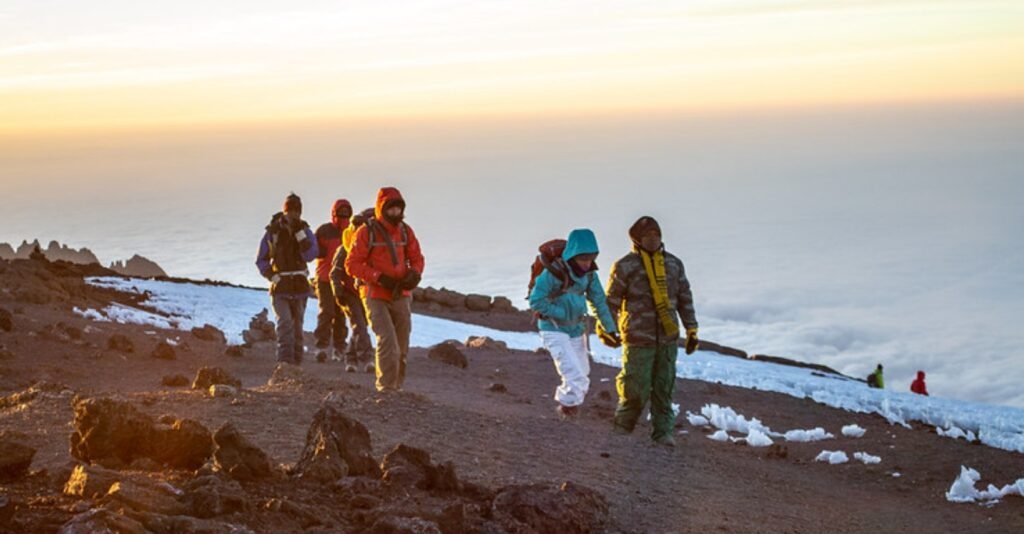
Your body notices the change fast, and the effects of high altitude on the human body begin within minutes. Tiny sensors in your neck, called carotid bodies, constantly “taste” your blood. When oxygen drops, they signal your brain, and your brain triggers the hypoxic ventilatory response. In plain English: you start breathing deeper and faster without deciding to.
Your heart joins in. Resting heart rate climbs, even when you’re sitting still, because the heart has to move your thinner oxygen supply around faster. Doing nothing at altitude can feel like a light workout at home.
Digestion also slows as your body redirects energy to the essentials, which is one reason appetite fades and nausea creeps in for some trekkers. None of this can last. A heart working that hard for weeks would wear out, so think of this phase as a temporary bridge while deeper changes get started.
Within hours, your kidneys work out that the low pressure isn’t going away, one of the longer-term effects of high altitude on the human body. They release a natural hormone called erythropoietin (EPO), the same one that makes headlines in cycling scandals. Here it’s simply a survival signal telling your bone marrow to produce more red blood cells, the “cargo ships” that carry oxygen.
New red cells take weeks to build, so your body uses a quicker trick in the meantime. It sheds some of the water in your blood, which makes what’s left more concentrated. Picture a vegetable soup: if you can’t add more vegetables, you pour off some of the broth. This is partly why you’ll visit the toilet so often on the mountain, and why dehydration sneaks up on trekkers.
For most people, heart rate settles and energy returns after two or three days at a new height. That’s the reason itineraries with gradual gains work so well, and why rushing is the most common reason people turn back. If you’re still deciding on timing, our guide on how many days it takes to climb Kilimanjaro explains why 7 to 9 days beats a shortcut.
You’ve hiked all day, you’re exhausted, and then you lie awake. Blame your brainstem, not your sleeping mat. Broken sleep is one of the most common altitude effects on the body.
At sea level your brain mostly paces your breathing by carbon dioxide. At altitude, low oxygen triggers an emergency backup that makes you breathe faster, which blows off too much carbon dioxide. Your main sensor then decides you don’t need to breathe at all, and you pause for a few seconds until oxygen drops and the alarm rings again. Doctors call this periodic breathing. You may wake with a gasp and a pounding heart.
It’s normal, and it usually eases as you acclimatise. Prop yourself up slightly, keep warm, and skip alcohol and standard sleeping pills, which can make breathing pauses longer. If a headache lingers through the morning even after water and breakfast, read the next section carefully.
Altitude problems don’t only affect elite mountaineers. Risk starts to rise around 2,500 metres (about 8,000 feet), well below Kilimanjaro’s high camps. Acute Mountain Sickness (AMS) simply means your body is adapting more slowly than you’re climbing. The altitude sickness effects start mild and can build quickly.
The best description is a mountain hangover: a throbbing headache, no appetite, a heavy, washed-out feeling. Blood vessels widen to grab more oxygen, pressure inside the skull rises, and your fluid balance wobbles. Some people also notice puffiness around the eyes, face and hands.
A simple AMS check (based on the Lake Louise Score)
You need a headache, plus at least one of these:
If that sounds like you, stop climbing. Rest at the same height, drink, eat and tell your guide straight away. Pushing through is how a manageable problem becomes a dangerous one. Our team monitors every client daily, and you can read more about how we run things on our Kilimanjaro safety page.
If AMS is the warning shot, HAPE (high altitude pulmonary edema) and HACE (high altitude cerebral edema) are the real emergencies. They’re the rarest and most serious effects of high altitude on the human body, and the reason we take rest days seriously.
Under severe stress, tiny blood vessels can leak. In HAPE the fluid collects in the lungs. In HACE it builds up around the brain. Both can progress quickly.
There’s a simple field test for coordination: ask someone to walk heel to toe in a straight line. If they stumble as if they’d had a few drinks, treat it as HACE.
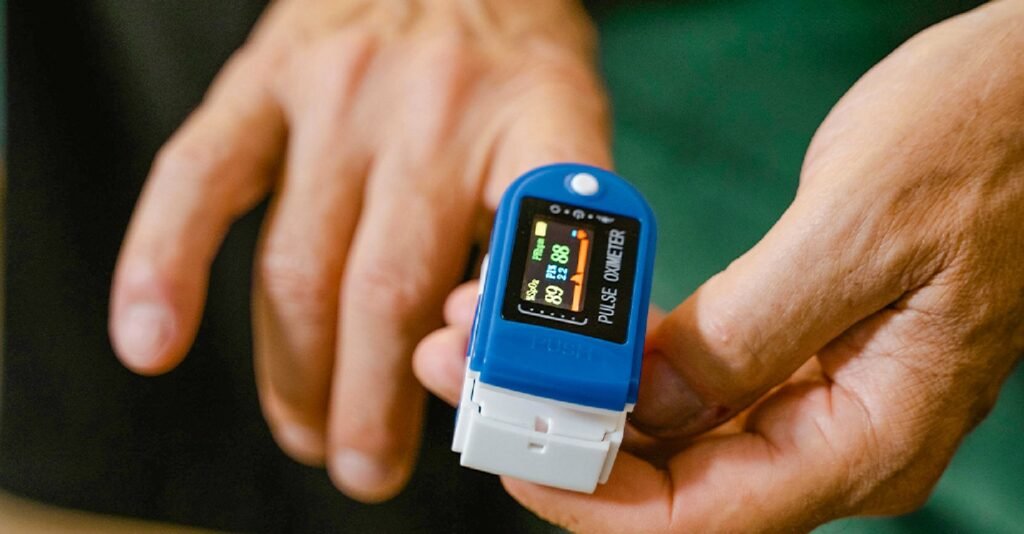
The golden rule of acclimatisation is simple. Push into thinner air during the day, then come back down to sleep. Like lifting weights, the stress triggers adaptation, and the lower altitude at night lets you recover.
What matters most is your sleeping altitude, not the highest point you touched. Above roughly 3,000 metres, mountaineering guidance suggests raising your sleeping height by no more than about 300 to 500 metres per night, with an extra night at the same height every few days.
Kilimanjaro’s better routes are built around exactly this. On the Machame route, for example, day three climbs to the Lava Tower at about 4,600 metres, then drops to Barranco Camp to sleep around 3,900 metres. That’s “climb high, sleep low” in action, and it’s a big reason longer routes have much better summit success.
Not sure which suits you? Our breakdown of the best route to climb Kilimanjaro compares them side by side. Pace matters too: pole pole (slowly, slowly) is the guides’ mantra for a reason.
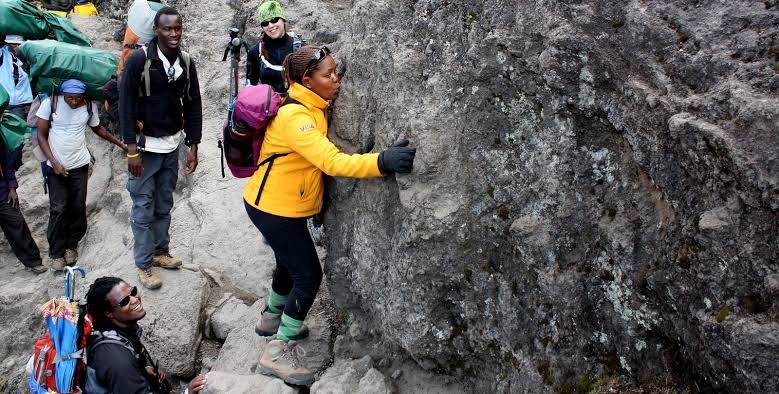
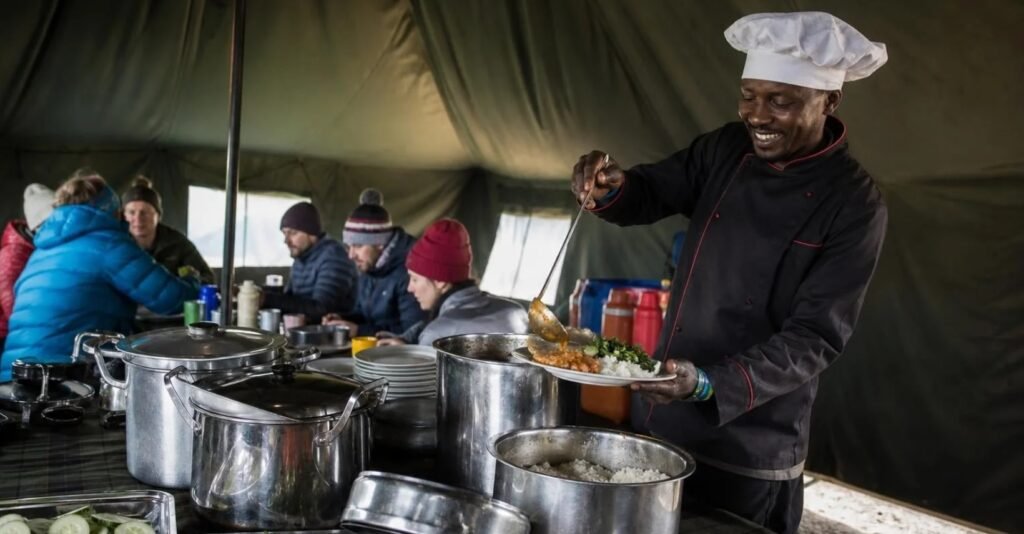
Your engine needs a different fuel mix up high, and food and water can ease several effects of high altitude on the human body. Carbohydrates need less oxygen to burn than fat does, and oxygen is exactly what you’re short of. Your body knows this, which is why chocolate, biscuits and sweet tea suddenly feel like the best thing on earth. Lean into it. Most mountain nutrition advice suggests a carbohydrate-heavy diet, and a good camp kitchen makes that easy.
Water is the other half. Mountain air is dry, and you lose moisture with every deep breath without noticing. Drink steadily through the day, aim for pale urine, and don’t wait until you feel thirsty.
The cruel twist is that appetite fades just when you need food most. Treat eating and drinking as jobs, not options. We cover what’s served on the trail on our what’s included page.
Medicines can help, but they’re not magic shields. Here’s what each is for.
Please talk to your doctor or a travel clinic before your trip about whether Diamox is right for you, especially if you have allergies (including to sulfa drugs), kidney problems or take other medication. Painkillers can also mask warning signs and tempt people to climb higher when they should rest, so tell your guide whatever you take.
Before each day’s climb, run through these four questions honestly.
Some people, like the Sherpas of the Himalayas, carry genetic advantages for living at height. Most of us don’t, but our bodies can adapt remarkably well when we give them time. Pace yourself, respect the effects of high altitude on the human body, and the view from the roof of Africa is worth every deep breath.
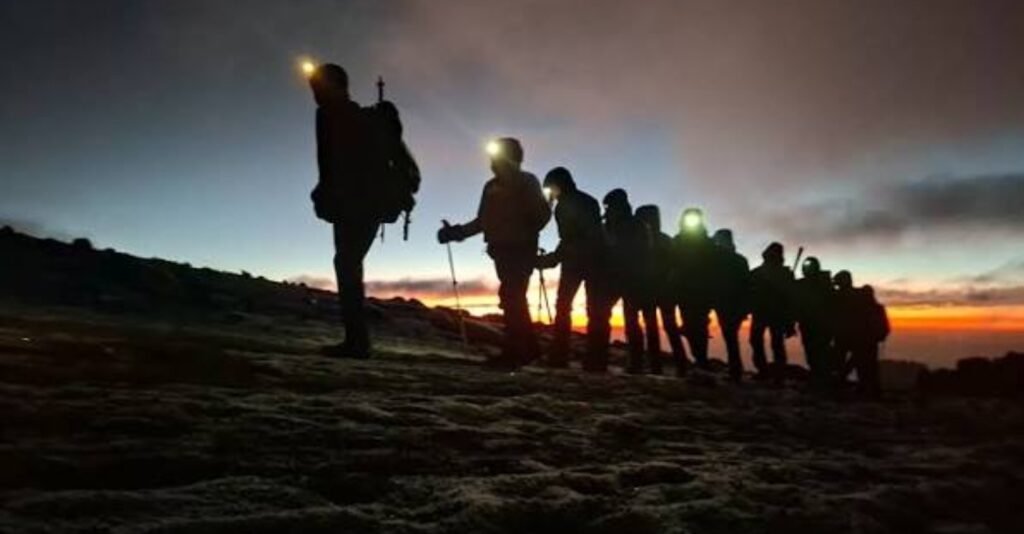
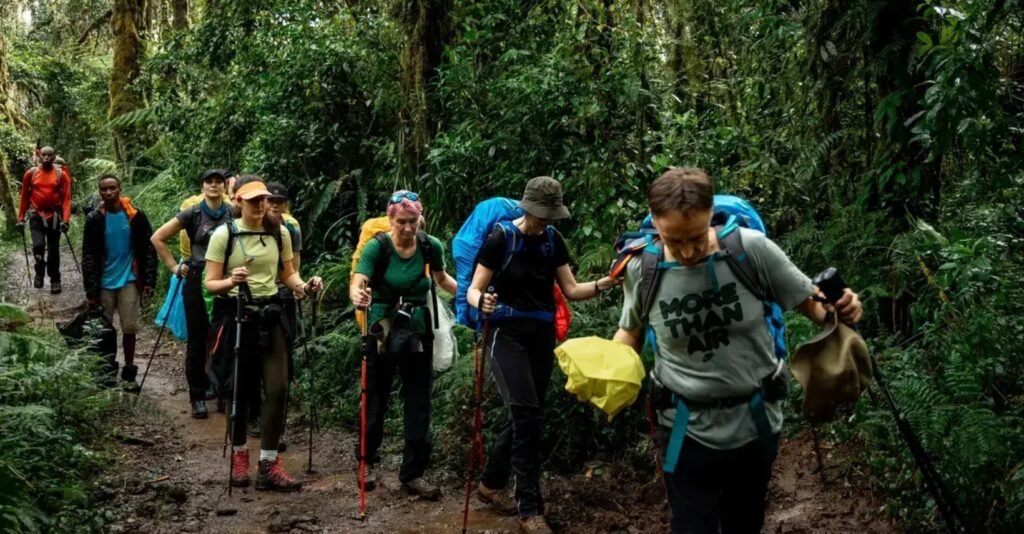
A few moments from the trail, from rainforest mist to the glaciers near the top.
At high altitude, lower air pressure means each breath delivers less oxygen. Your body responds with faster breathing and heart rate, then makes more red blood cells over several days. Some people develop headaches, nausea, poor sleep or, rarely, dangerous fluid build-up in the lungs or brain.
Yes. Fitness helps with stamina, but it doesn’t predict how your body handles low pressure. Altitude sickness can affect anyone, which is why a slow, well-paced itinerary matters more than being the strongest hiker in the group.
Symptoms commonly appear from around 2,500 metres (8,000 feet). On Kilimanjaro you pass that height on day two or three of most routes, so you’ll be climbing in the risk zone for most of the trek.
A headache is the key sign, usually with nausea, loss of appetite, dizziness, unusual tiredness or poor sleep. If you have a headache plus any of these, stop climbing and tell your guide.
Many climbers do, because it can help the body acclimatise. It isn’t right for everyone, so speak with your doctor or a travel clinic before the trip about suitability, dose and side effects.
Choose a longer route (7 to 9 days), climb slowly, follow “climb high, sleep low”, drink plenty of water, eat well, and report symptoms early. Descending at the first sign of serious trouble is always the right call.
This article is for general information and isn’t a substitute for medical advice. Speak to your doctor or a travel clinic before climbing at altitude.
We run small groups with two trekkers to every guide, emergency oxygen on every climb, and itineraries designed around acclimatisation. Tell us your dates and we’ll build a plan around them.